



Dry Eyes in Winter: Causes, Symptoms and Effective Treatment
Winter brings relief from extreme heat, but it also introduces new health challenges—one of the most common being dry eyes. Many people notice increased eye irritation, redness and discomfort during colder months. Understanding dry eyes in winter causes and treatment is essential to maintain eye comfort and prevent chronic eye surface problems.
In India, winter dryness combined with indoor heating, pollution and increased screen exposure significantly affects tear stability. Eye health experts report a seasonal spike in dry eye complaints during winter months.
What Is Dry Eye Syndrome?
Dry eye syndrome occurs when:
the eyes do not produce enough tears, or
tears evaporate too quickly, or
tear quality is poor
Tears are essential for lubrication, protection and clear vision. Disruption in tear balance leads to dryness and irritation.
Why Dry Eyes Are More Common in Winter
Low Humidity and Cold Air
Winter air contains less moisture. Cold winds increase tear evaporation, leaving the eyes dry and exposed.
Indoor heating systems further reduce humidity, worsening dryness.
Reduced Blinking
People blink less when:
using mobile phones
working on computers
watching screens indoors during winter
Reduced blinking prevents tears from spreading evenly across the eye surface.
Increased Screen Time
Shorter days and colder weather lead to more indoor screen use, which intensifies eye strain and dryness.
Pollution and Dust
Winter pollution and airborne particles irritate the eyes and destabilise the tear film.
Dehydration
People often drink less water in winter, contributing to systemic dehydration that affects tear production.
Common Symptoms of Dry Eyes in Winter
Dry eye symptoms may include:
burning or stinging sensation
redness
gritty or foreign body feeling
excessive tearing (reflex response)
blurred or fluctuating vision
eye fatigue
Symptoms often worsen by evening or after prolonged screen use.
Who Is at Higher Risk?
Dry eyes in winter are more common among:
people using screens extensively
contact lens users
older adults
individuals with diabetes or thyroid disorders
people with autoimmune conditions
those living in polluted or very cold environments
Why Dry Eyes Should Not Be Ignored
Untreated dry eyes can lead to:
chronic inflammation
recurrent eye infections
damage to the corneal surface
persistent blurred vision
Early treatment prevents progression and protects long-term eye health.
Effective Treatment for Dry Eyes in Winter
Artificial Tears and Lubricating Drops
Preservative-free lubricating eye drops help restore moisture and comfort.
They:
reduce irritation
stabilise the tear film
improve visual comfort
Drops should be used as advised by an eye care professional.
Warm Compresses
Applying warm compresses:
improves oil gland function
reduces tear evaporation
relieves eyelid inflammation
This is especially helpful for evaporative dry eye.
Blink Awareness and Screen Breaks
Consciously blinking and following the 20-20-20 rule:
reduces eye strain
improves tear distribution
These habits are essential during winter indoor work.
Humidifiers
Using a humidifier indoors:
adds moisture to dry air
reduces tear evaporation
This is particularly helpful in heated environments.
Adequate Hydration
Drinking sufficient fluids supports tear production and overall eye health.
Protective Eyewear
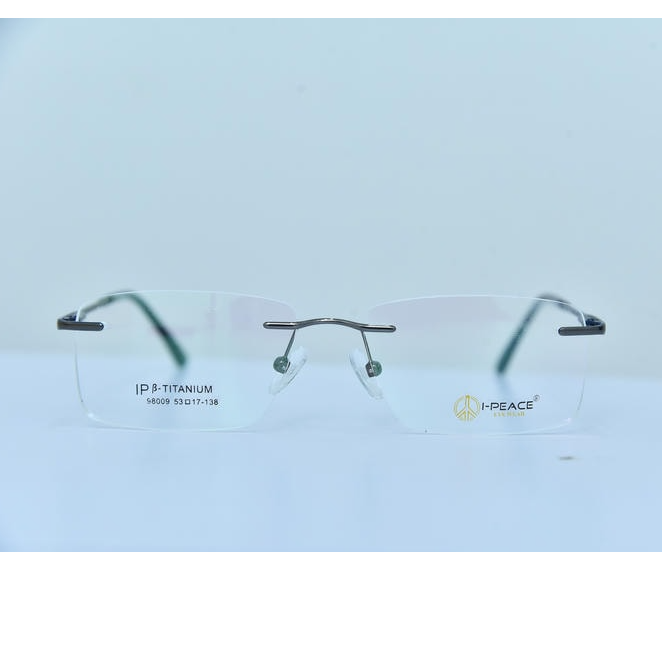
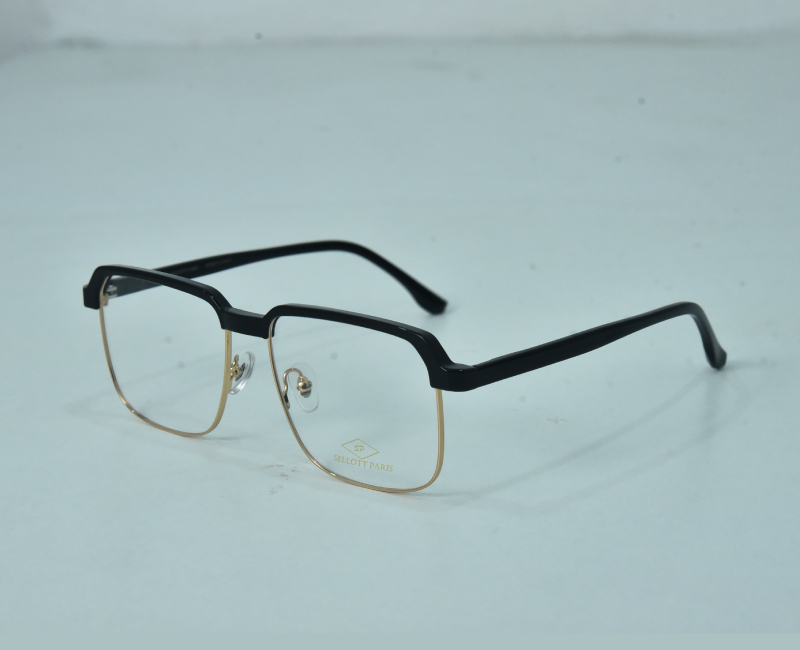
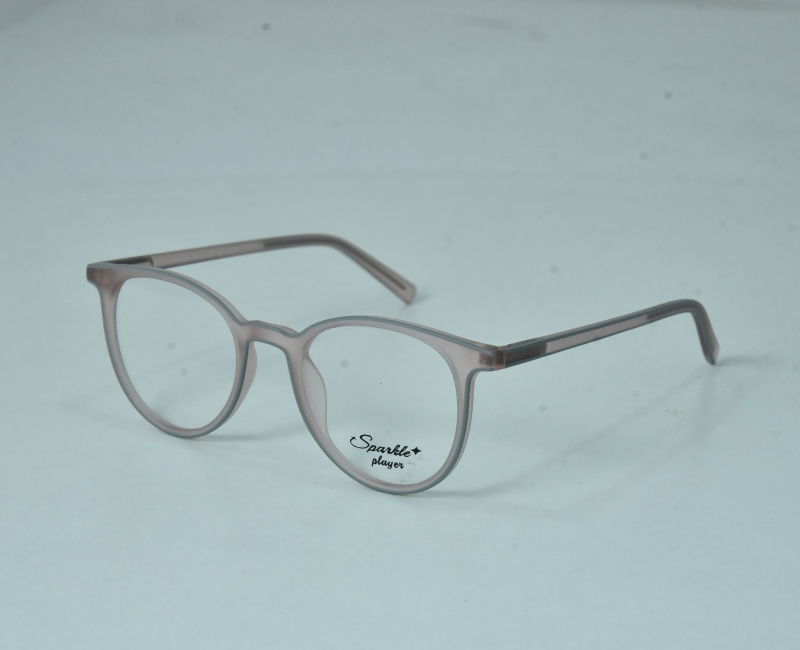
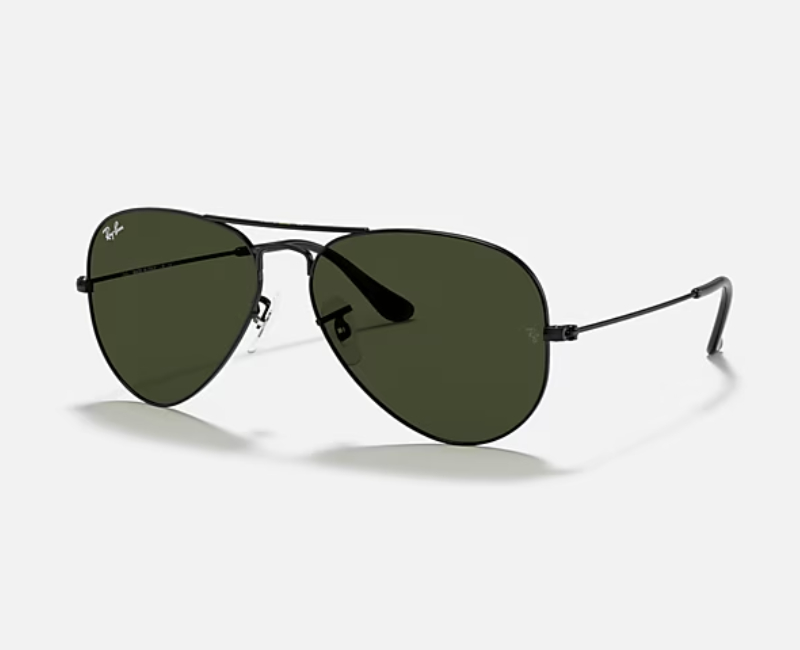
Wearing glasses or wraparound eyewear outdoors protects eyes from cold wind and dust.
Lifestyle and Dietary Support
Nutrition plays a role in eye health.
Helpful nutrients include:
omega-3 fatty acids
vitamin A
antioxidants
Balanced diets support tear quality and reduce inflammation.
When Medical Treatment Is Needed
Consult an eye specialist if:
symptoms persist despite basic care
vision becomes consistently blurred
redness and pain increase











 Eye Glasses
 Sun Glasses
 Home Eye-Test
 Store Locator
 Kids Glasses