


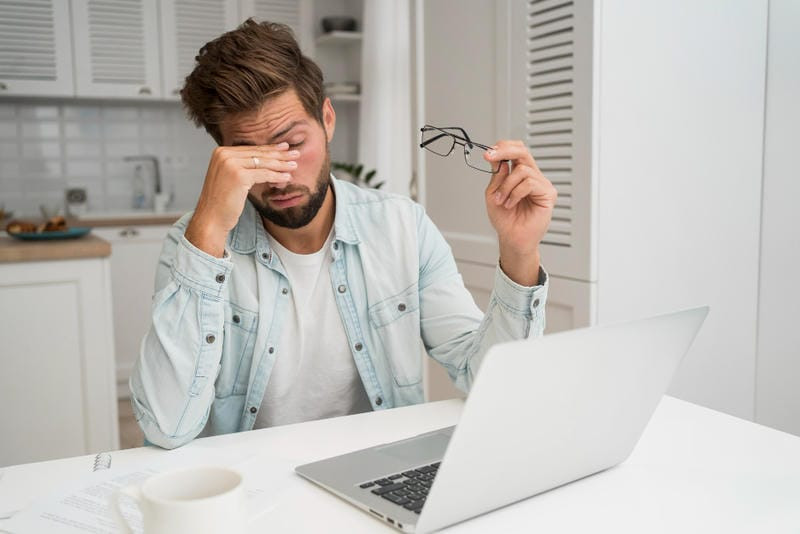
How to Prevent Eye Strain Naturally: Simple Habits for Comfortable, Healthy Vision
Eye strain has become one of the most common complaints in modern life. Long hours on computers, smartphones and digital devices place constant demand on the eyes, leading to discomfort that many people accept as normal. However, eye strain is not inevitable. Learning how to prevent eye strain naturally can significantly improve daily comfort and long-term eye health.
Natural prevention focuses on reducing visual stress, supporting eye muscles and creating eye-friendly environments—without medication.
What Is Eye Strain?
Eye strain, also called digital eye strain or computer vision syndrome, occurs when the eyes become fatigued after prolonged use. Common symptoms include:
tired or sore eyes
dryness or watering
blurred vision
headaches
neck and shoulder discomfort
While usually temporary, repeated strain affects productivity and wellbeing.
Why Eye Strain Is Increasing
Modern lifestyles contribute to eye strain due to:
extended screen time
reduced blinking
poor lighting conditions
improper viewing distance
uncorrected vision problems
According to optometry and occupational health studies, screen exposure is now the leading cause of eye discomfort among working adults.
Natural Ways to Prevent Eye Strain
Follow the 20-20-20 Rule
One of the simplest and most effective methods.
Every 20 minutes:
look at something 20 feet away
for at least 20 seconds
This relaxes eye muscles and reduces fatigue.
Blink More Often
People blink up to 60 percent less while using screens.
Conscious blinking:
keeps eyes moist
reduces dryness and irritation
supports tear film stability
A simple reminder can make a big difference.
Adjust Screen Position and Distance
Poor screen placement increases eye effort.
Best practices include:
screen at arm’s length
top of the screen at or slightly below eye level
straight-ahead viewing angle
This reduces muscle strain and improves comfort.
Optimise Lighting and Reduce Glare
Harsh lighting forces eyes to work harder.
To reduce strain:
avoid overhead glare
use soft ambient lighting
position screens away from windows
use anti-glare screens if needed
Balanced lighting protects visual comfort.
Practise Simple Eye Exercises
Gentle exercises relax eye muscles.
Examples include:
slow eye rotations
near-to-far focus shifts
palming (covering eyes with warm palms briefly)
These exercises help relieve tension after long work sessions.
Maintain Proper Posture
Eye strain is closely linked to posture.
Poor posture leads to:
neck and shoulder tension
altered viewing angles
increased visual stress
Sitting upright with proper back support indirectly reduces eye fatigue.
Stay Hydrated
Dehydration worsens eye dryness.
Adequate water intake:
supports tear production
reduces irritation
improves overall eye comfort
Hydration is a simple but often overlooked factor.
Limit Continuous Screen Time
Extended uninterrupted screen use overloads the eyes.
Where possible:
break long sessions into intervals
alternate tasks
include non-screen activities
Micro-breaks significantly reduce strain.
Natural Support Through Diet
Eye health benefits from nutrients such as:
vitamin A
omega-3 fatty acids
lutein and zeaxanthin
Foods like leafy greens, carrots, nuts and seeds support visual comfort and tear stability.
Ensure Correct Vision Correction
Uncorrected refractive errors force eyes to overwork.
Regular eye tests help:
identify vision changes
ensure accurate prescriptions
prevent unnecessary strain
Even minor prescription changes can reduce discomfort.
Eye Strain and Headaches
Eye strain is a common cause of tension headaches.
Natural prevention reduces:
frontal headaches
pressure around eyes
work-related discomfort
Addressing eye strain often improves overall head and neck comfort.
Work Environment Adjustments That Help
Small workplace changes make a big impact:
adjustable chairs and desks
proper monitor height
screen filters
scheduled visual breaks
Ergonomic environments support eye health naturally.
When Natural Prevention Is Not Enough
If eye strain persists despite lifestyle changes, it may indicate:
uncorrected vision problems
dry eye condition





 Eye Glasses
 Sun Glasses
 Home Eye-Test
 Store Locator
 Kids Glasses