


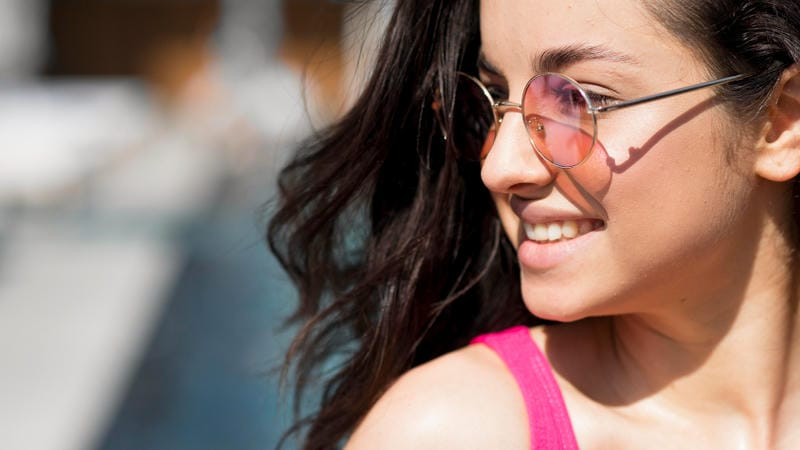
How to Protect Eyes from Sunlight: Smart Habits for Long-Term Eye Health
Sunlight is essential for life, but excessive exposure can quietly harm one of the body’s most delicate organs—the eyes. Understanding how to protect eyes from sunlight is crucial, especially in a country like India where bright sunlight and high UV levels are common throughout the year.
Unlike skin damage, eye damage from sunlight often develops gradually and may go unnoticed until vision is affected. Adopting protective habits early can prevent irreversible eye conditions and preserve long-term visual clarity.
How Sunlight Affects the Eyes
Sunlight contains ultraviolet (UV) radiation, which is invisible but harmful.
UV rays can:
penetrate eye tissues
damage the cornea and lens
accelerate eye aging
According to WHO, prolonged UV exposure significantly increases the risk of eye diseases.
Types of UV Rays That Harm Eyes
UVA Rays
Penetrate deep into the eye and contribute to long-term damage.
UVB Rays
More intense and directly linked to:
cataracts
photokeratitis
retinal damage
Both types require protection.
Common Eye Problems Caused by Sunlight
Excessive UV exposure can lead to:
cataracts
macular degeneration
pterygium (growth on eye surface)
photokeratitis (sunburn of the eye)
chronic dryness and irritation
These conditions often develop silently over years.
Why Eye Protection Is Important in India
India experiences:
high UV index levels
extended outdoor exposure
year-round sunlight
ICMR and WHO data show increased eye disease burden linked to environmental exposure.
The Role of UV-Protected Sunglasses
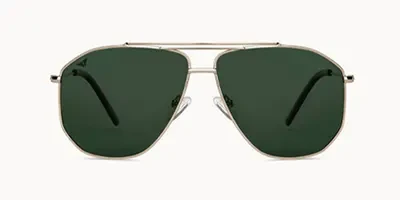
Sunglasses are the most effective barrier against UV rays.
Proper sunglasses should:
block 100% UVA and UVB rays
be labelled UV400
cover eyes adequately
Dark lenses without UV protection can worsen damage by dilating pupils.
Choosing the Right Sunglasses
When selecting sunglasses:
prioritise UV protection over colour
choose wraparound designs for side protection
opt for quality lenses over fashion-only frames
Protection must always come first.
Importance of Lens Quality
High-quality lenses:
reduce glare
improve visual comfort
protect eye tissues
Inferior lenses may distort vision and increase strain.
Hats and Sun Protection Accessories
Wide-brimmed hats reduce UV exposure by up to 50%.
Combining hats with sunglasses provides:
enhanced protection
reduced squinting
better outdoor comfort
This is especially useful during peak sun hours.
Limiting Exposure During Peak Hours
UV radiation is strongest between:
10 am and 4 pm
Whenever possible:
limit outdoor exposure
seek shade
avoid direct sun glare
Small adjustments make a big difference.
Protecting Children’s Eyes
Children’s eyes:
absorb more UV rays
are more vulnerable to damage
Early protection reduces lifetime UV exposure and future eye disease risk.
Eye Protection for Outdoor Workers
Outdoor professionals face prolonged UV exposure.
They should:
wear certified UV-protective eyewear
take shade breaks
undergo regular eye checkups
Occupational exposure significantly increases risk.
Dry Eyes and Sunlight
Sun exposure worsens dryness by:
increasing tear evaporation
irritating eye surface
UV-protective eyewear helps reduce dryness and discomfort.
Sunglasses Are Not Only for Summer
UV rays are present:
year-round
even on cloudy days
Eye protection is necessary regardless of season.
Role of Regular Eye Checkups
Many UV-related eye conditions:
develop gradually
show symptoms late
Regular eye exams help:
detect early damage
prevent vision loss
Preventive care is essential.
Myths About Sunlight and Eyes
Common myths include:
sunglasses are only cosmetic
dark lenses always mean protection
eye damage is reversible
These misconceptions delay preventive action.
Lifestyle Habits That Support Eye Health
In addition to protection:
eat antioxidant-rich foods
stay hydrated
avoid smoking





 Eye Glasses
 Sun Glasses
 Home Eye-Test
 Store Locator
 Kids Glasses