



Simple Eye Care Tips for Daily Life: Practical Habits for Long-Term Eye Health
Eyes work continuously from the moment we wake up until we sleep. Reading, working on screens, driving, cooking and scrolling on mobile phones place constant demand on vision. Yet, eye care is often neglected until discomfort or vision problems arise. Learning and following simple eye care tips for daily life can significantly protect eyesight and prevent avoidable eye strain and fatigue.
Daily eye care is not about complex treatments. It is about consistent, practical habits that support comfort, clarity and long-term eye health.
Why Daily Eye Care Is More Important Than Ever
Modern lifestyles have changed how eyes are used.
Key contributing factors include:
prolonged screen exposure
reduced blinking
artificial lighting
air-conditioned environments
increased near-vision tasks
Optometry studies show that digital eye strain is now one of the most common eye complaints among working adults.
Follow the 20-20-20 Rule
One of the easiest and most effective daily eye care habits is the 20-20-20 rule.
Every 20 minutes:
look at an object 20 feet away
for at least 20 seconds
This relaxes eye muscles and reduces screen-related fatigue.
Blink More Often
Blinking keeps the eyes lubricated.
During screen use:
blinking rate reduces significantly
dryness and irritation increase
Consciously blinking helps:
prevent dry eyes
maintain tear film stability
reduce discomfort
Maintain Proper Screen Distance and Height
Improper screen positioning increases eye strain.
Best practices include:
keeping screens at arm’s length
positioning the screen slightly below eye level
avoiding tilting the head forward
Good alignment reduces strain on eyes and neck.
Reduce Glare and Adjust Lighting
Harsh lighting forces eyes to work harder.
To protect eyes:
avoid direct glare from windows
use soft, ambient lighting
reduce screen brightness to match room lighting
Balanced lighting improves visual comfort.
Practise Simple Eye Exercises
Eye exercises help relax eye muscles.
Examples include:
gentle eye rotations
focusing on near and far objects alternately
palming for short relaxation
These exercises are especially helpful after long work hours.
Stay Hydrated
Dehydration worsens eye dryness.
Adequate water intake:
supports tear production
reduces irritation
improves overall eye comfort
Hydration is a simple but essential eye care habit.
Eat a Balanced Diet for Eye Health
Nutrition plays a key role in eye health.
Nutrients important for vision include:
vitamin A
omega-3 fatty acids
antioxidants
zinc
Green leafy vegetables, fruits, nuts and seeds support eye health naturally.
Avoid Rubbing Your Eyes
Rubbing eyes can:
introduce infections
worsen irritation
damage delicate eye tissues
If eyes feel itchy or tired, resting them is safer than rubbing.
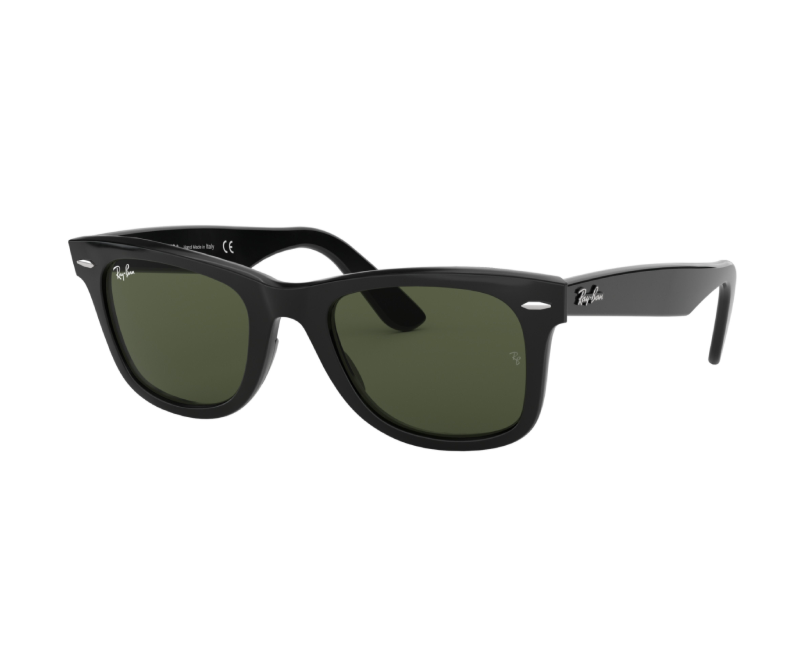
Protect Eyes from Sunlight
Excessive UV exposure damages eyes over time.
Using UV-protective sunglasses:
reduces glare
protects from UV rays
lowers risk of eye conditions
Sun protection is an essential daily eye care step.
Maintain Clean Eye Hygiene
Clean hands and hygiene reduce eye infections.
Good habits include:
washing hands before touching eyes
keeping makeup tools clean
avoiding sharing eye cosmetics
Hygiene protects eye health daily.
Take Regular Breaks from Screens
Continuous screen use overloads eyes.
Short breaks:
reduce fatigue
improve focus
support eye muscle recovery
Even a few minutes away from screens helps.
Get Regular Eye Checkups
Routine eye exams detect:
early vision changes
eye strain causes
prescription updates
Early detection prevents future complications.
Eye Care at Work and Home
Eye-friendly environments include:
ergonomic seating
proper screen placement
adequate lighting
scheduled breaks
Small adjustments make daily work comfortable.
Why Consistency Matters in Eye Care
Occasional care is not enough.
Daily habits:
accumulate long-term benefits
reduce gradual vision stress








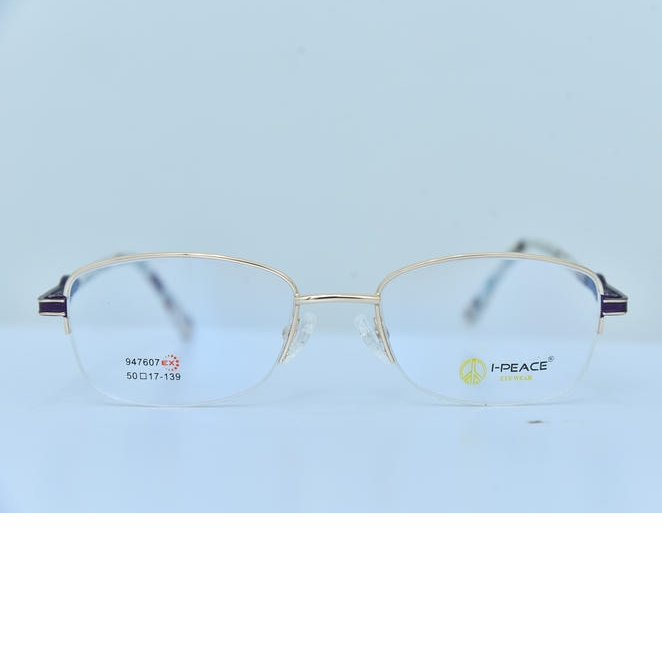
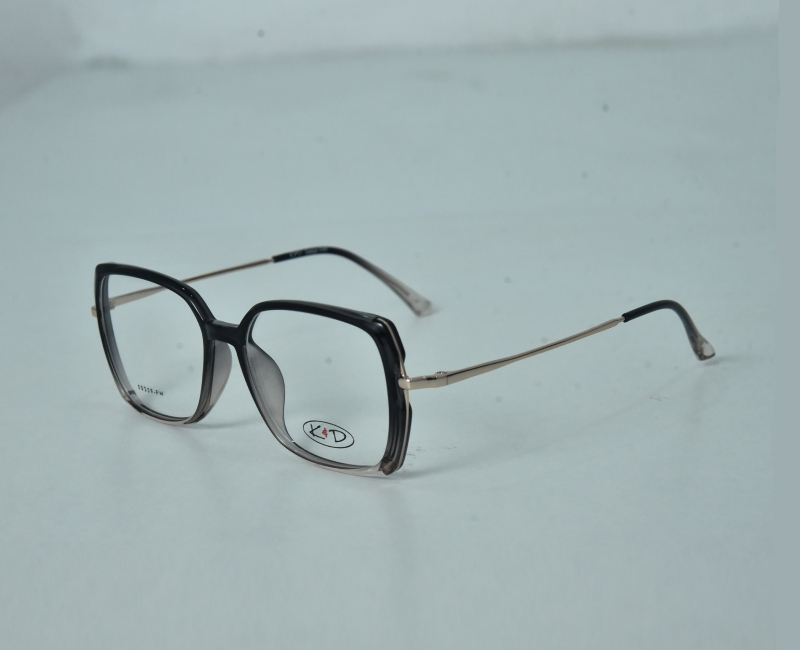


 Eye Glasses
 Sun Glasses
 Home Eye-Test
 Store Locator
 Kids Glasses